Mechanistic Cancer Research
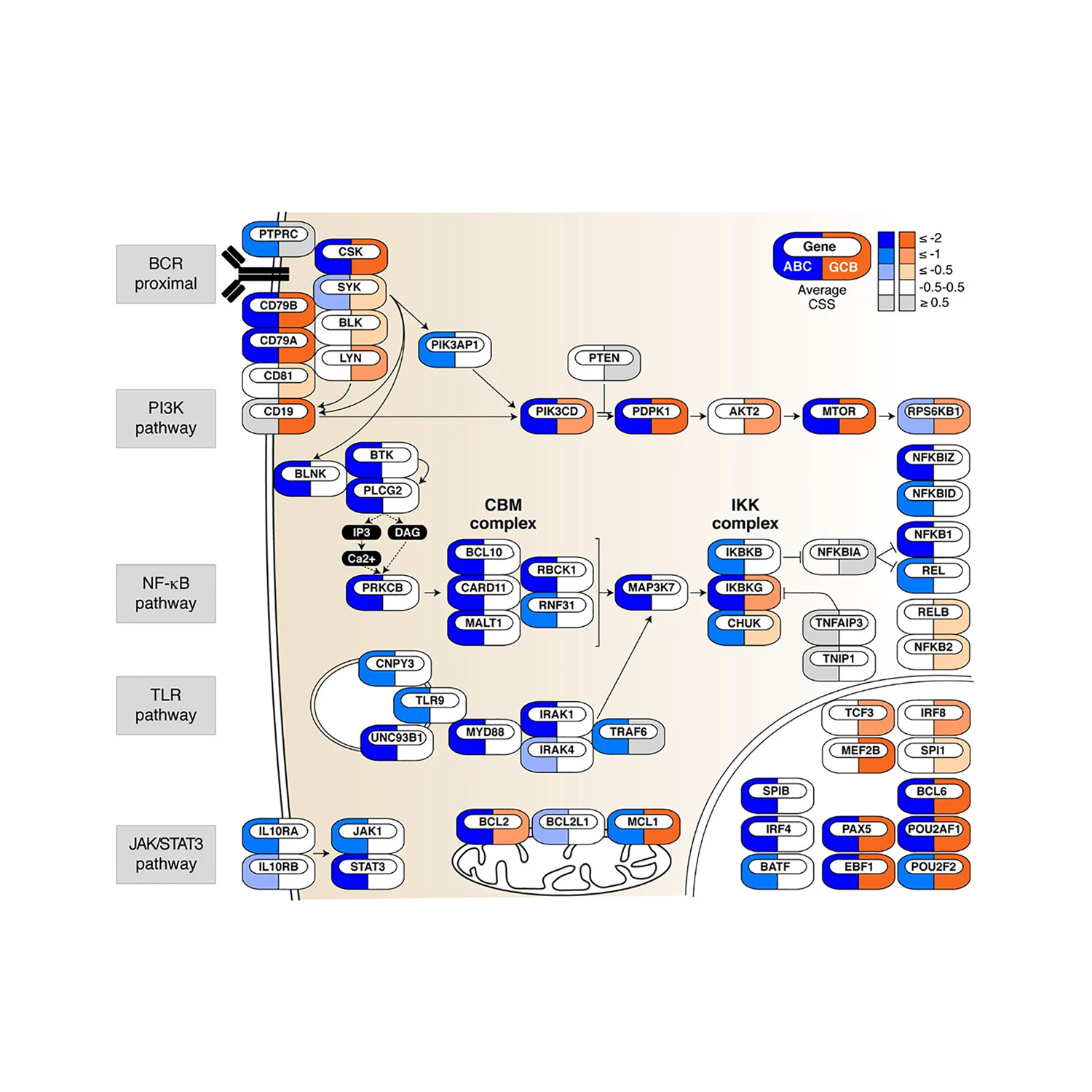
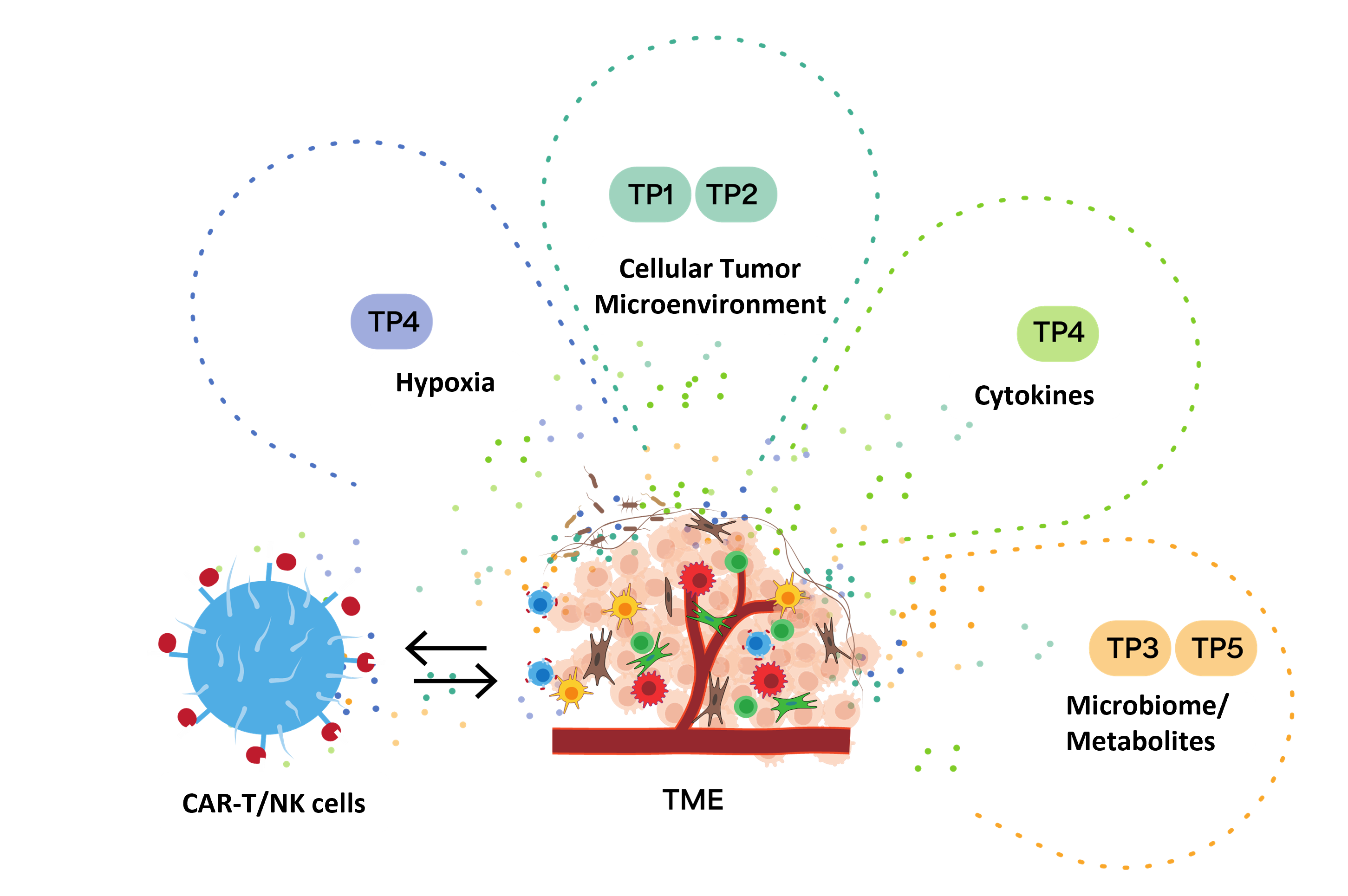
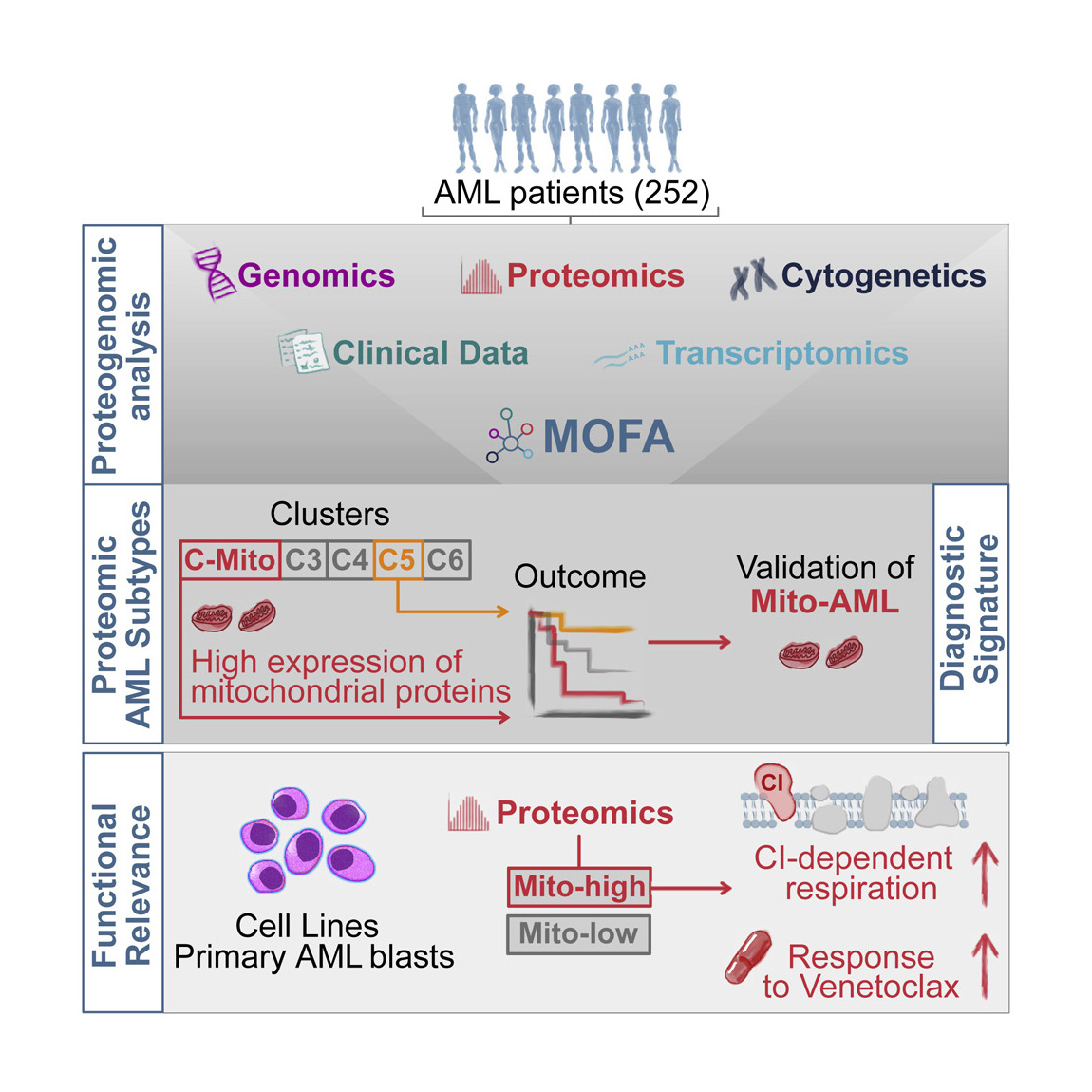
We combine innovative technologies such as proteomics, (functional) genomics, and molecular and cellular biology approaches to elucidate oncogenic mechanisms. To target these mechanisms, we additionally design and clinically validate innovative therapies. In lymphoma, we study the oncogenic pathways affecting B-cell receptor signaling, chromatin structure, and the tumor microenvironment. Additionally, in collaboration with Stefan Knapp (Dept. of Medicinal Chemistry, Frankfurt) we develop innovative drugs specifically targeting the newly identified oncogenic effector proteins. In AML, we currently focus on deregulated proteogenomic and metabolic programs and their therapeutic implications. More recently, we have expanded our mechanistic research program towards studying CAR-cell therapeutics with the goal to enhance their efficacy and to overcome resistance mechanisms.


Clinical proteogenomics and systems biology
We elucidate proteomic and genomic features and integrate them to identify, so far, unresolved aspects of tumor biology. The addition of single-cell sequencing analysis furthermore allows us to link observed patterns to individual tumor cells, or cells of the tumor microenvironment.
We have established the entire value chain, including relevant patient cohorts and clinical expertise, along with innovative proteomic and genomic technologies, IT infrastructure, as well as bioinformatics for integrative multi-modal data analysis. The goal of our proteogenomics research program is to further refine the molecular classification of tumors, to elucidate their pathophysiology, to identify biomarkers predicting therapy response, and to foster the development of innovative therapies.
Bioinformatics

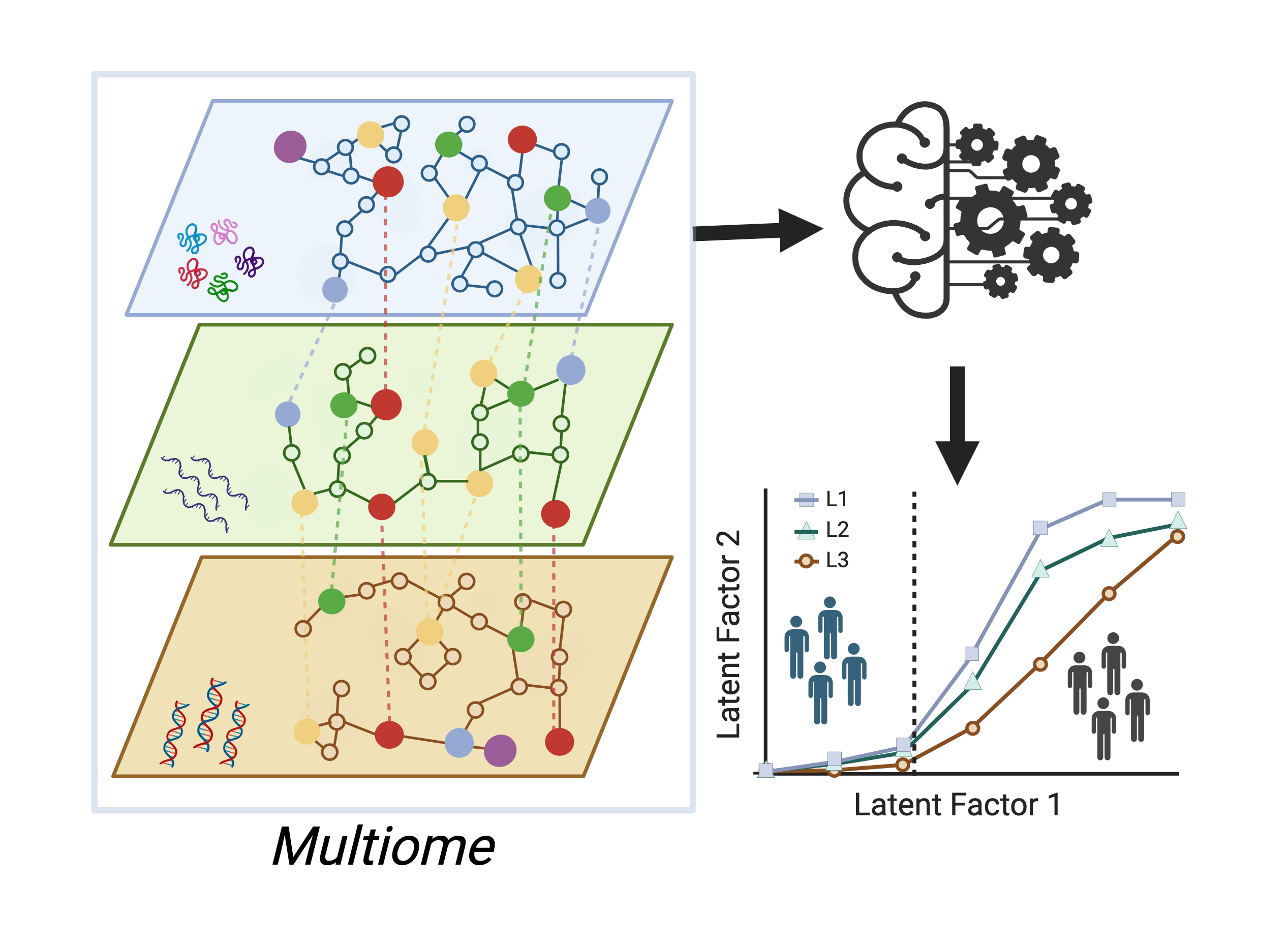
To fully leverage the comprehensive proteogenomic data that we are able to acquire from large patient cohorts, we collaborate closely with the lab of DKTK professor Florian Buettner (https://mlo-lab.github.io/author/florian-buettner). Together, we pursue the development and application of novel tools and algorithms for machine-learning and artificial intelligence based multi-omics data integration. We ensure that these tools are inherently interpretable, trustworthy, and are accompanied with user-friendly implementations in order to ensure broad applicability across diverse tumor entities.

Proximity Ligation
Assays (PLA)
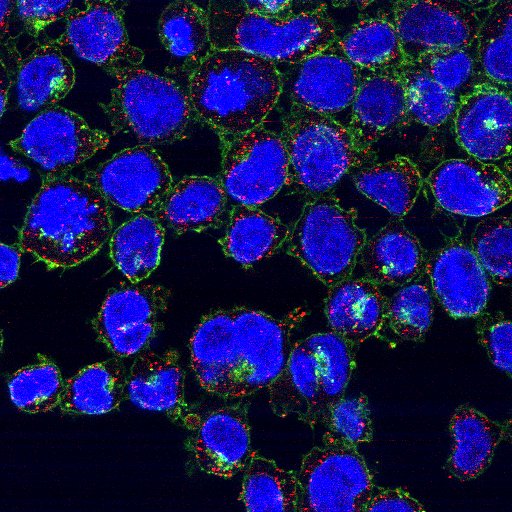
The proximity ligation assay is a well-established imaging methodology which allows us to evaluate the location and interaction of two specific protein targets in situ. In short, we are able to detect whether two proteins are within a certain proximity to each other (<40nm) and through quantification of fluorescent puncta upon confocal visualization, we can evaluate and quantify interaction differences upon specific treatments or genetic modifications.
Single-Cell Sequencing

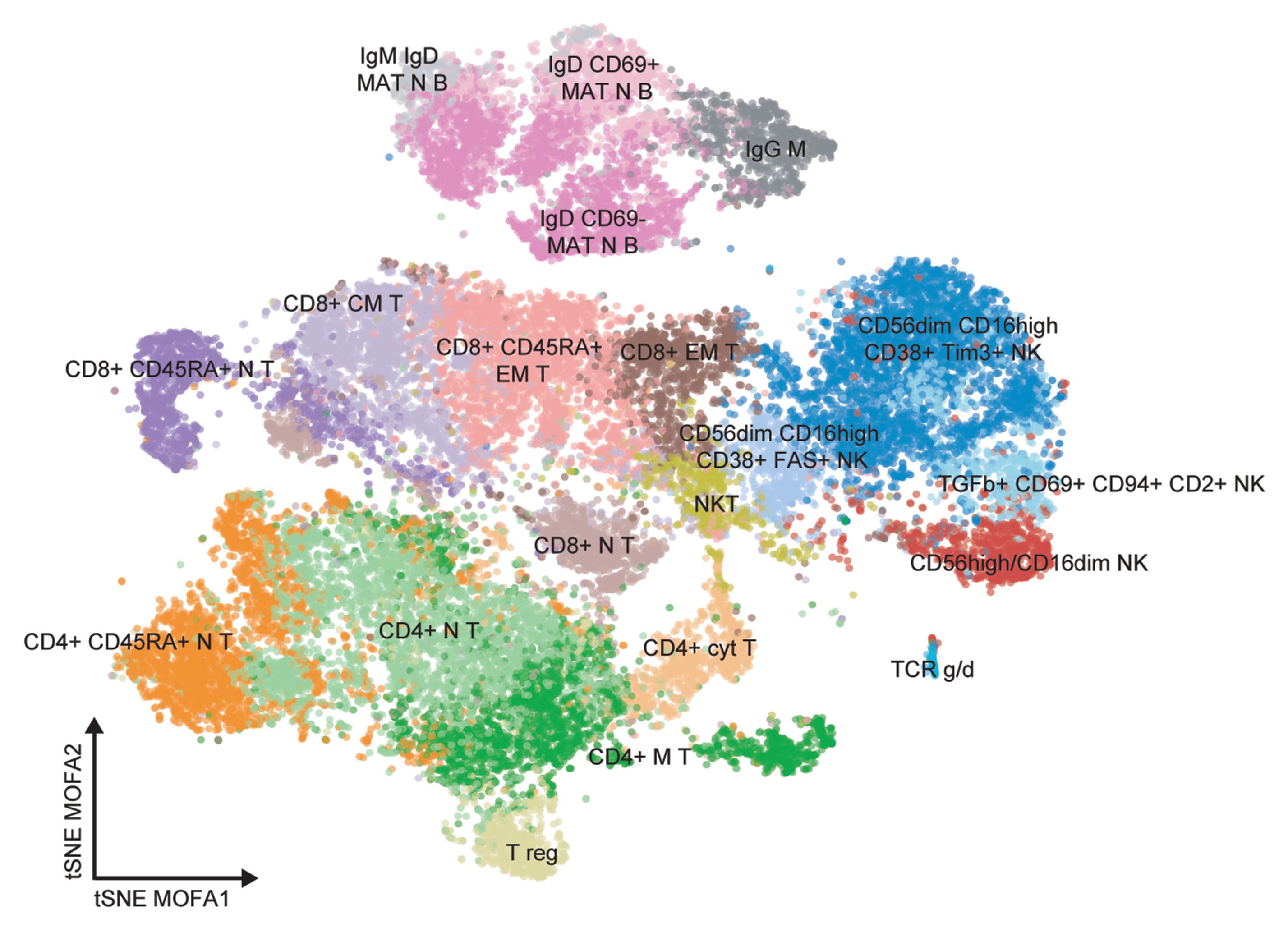
Our laboratory integrates single-cell technologies to understand cellular behavior with unprecedented precision. Using single-cell RNA sequencing (scRNA-seq) and chromatin accessibility profiling (scATAC-seq), we examine immune cell populations and tissue architecture at the individual cell level. This allows us to elucidate the clonal architecture of healthy and diseased tissues.
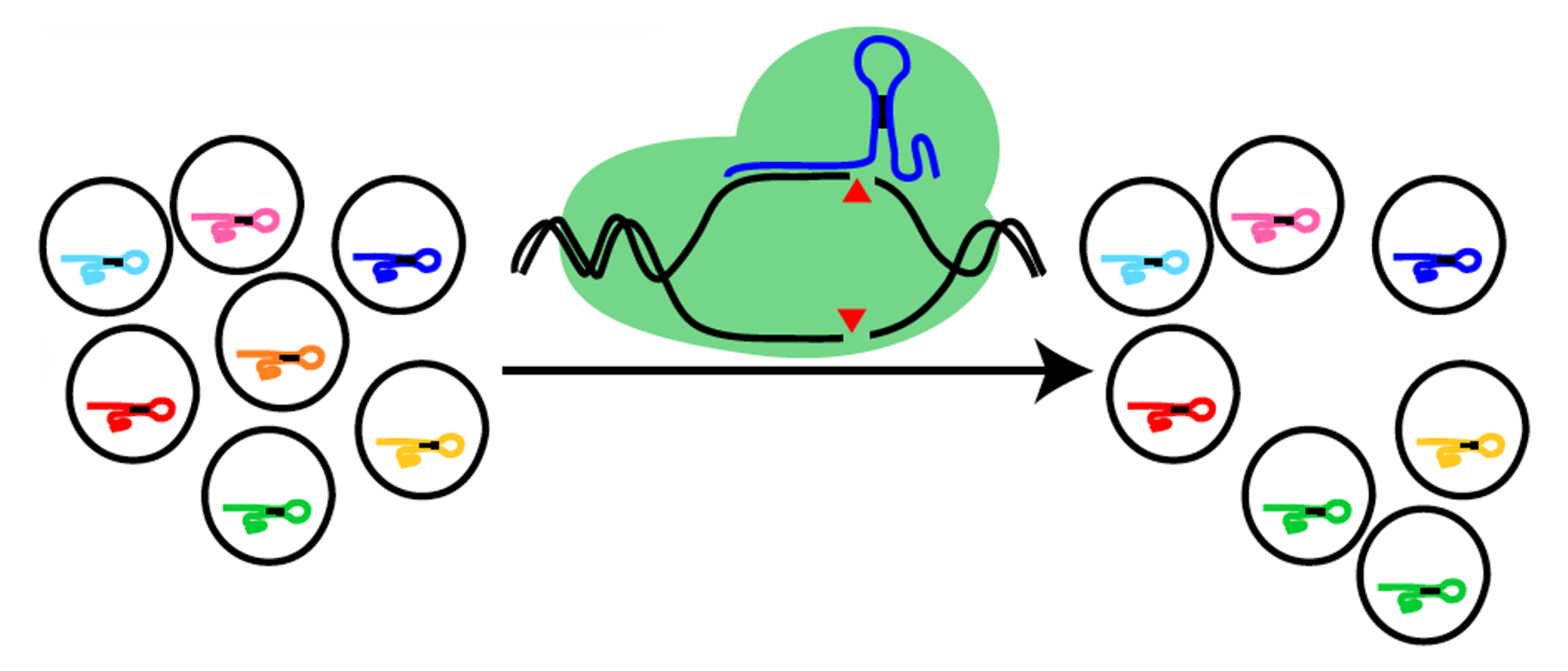
Working closely with our bioinformatics and functional genomics teams, we combine single-cell transcriptomics with targeted gene editing in high-throughput formats. This approach allows us to systematically study how genetic changes affect cellular function, advancing our understanding of disease mechanisms.

CRISPR Cas9-based
functional genomics
Mass Spectrometry
for Translational Proteomics

Next to the molecular biology branch, our lab is home to the proteomics platform of the DKTK partner site Frankfurt/Mainz and the Frankfurt Cancer Institute (FCI). It allocates expertise and technology predominantly to DKTK/FCI researchers based in the Frankfurt Rhine-Main area, but also other partner sites like Berlin, Heidelberg and Munich, as well as DKTK/FCI collaboration partners abroad (e.g. NCI/NIH, DFCI, MD Anderson).
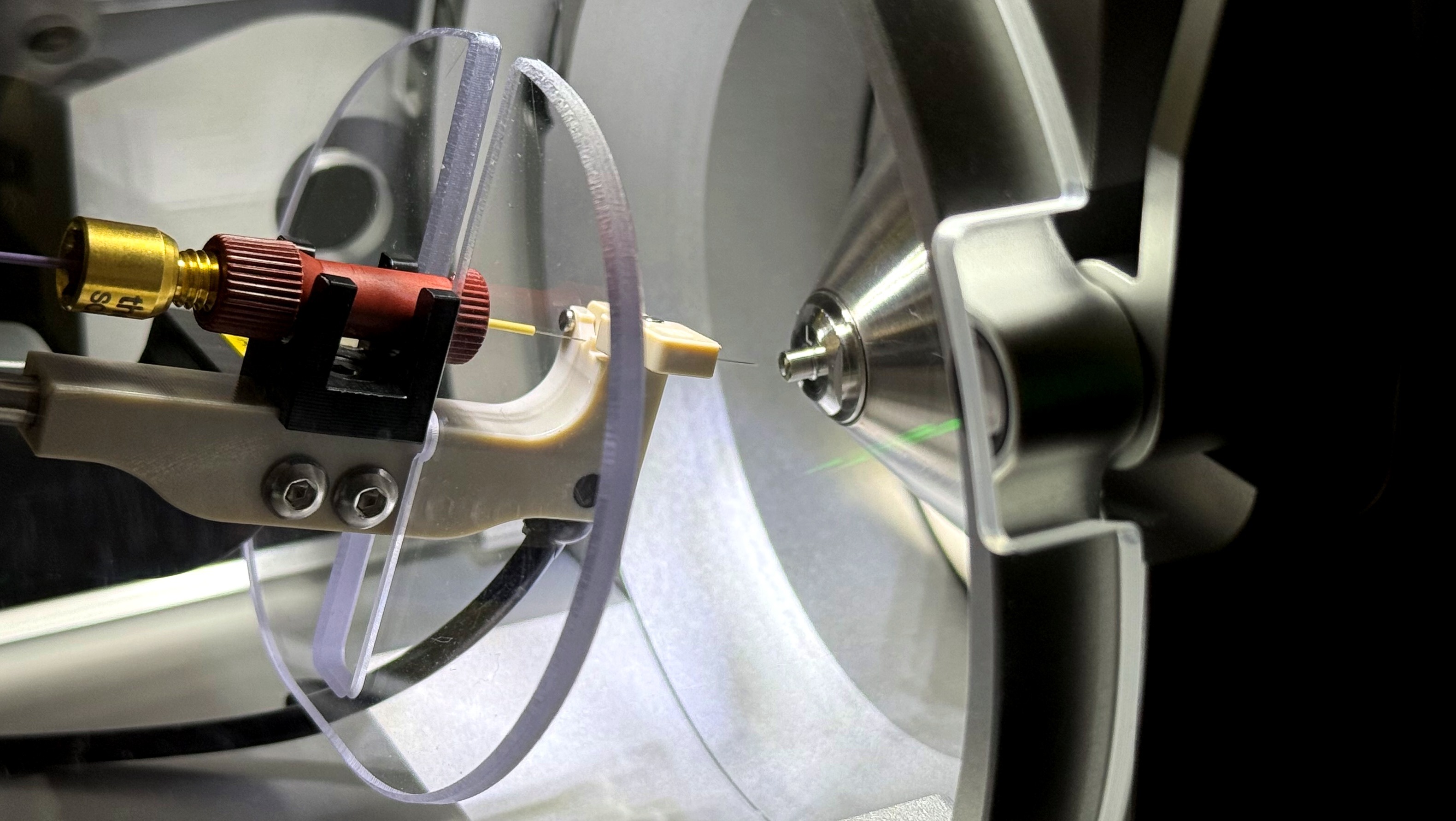
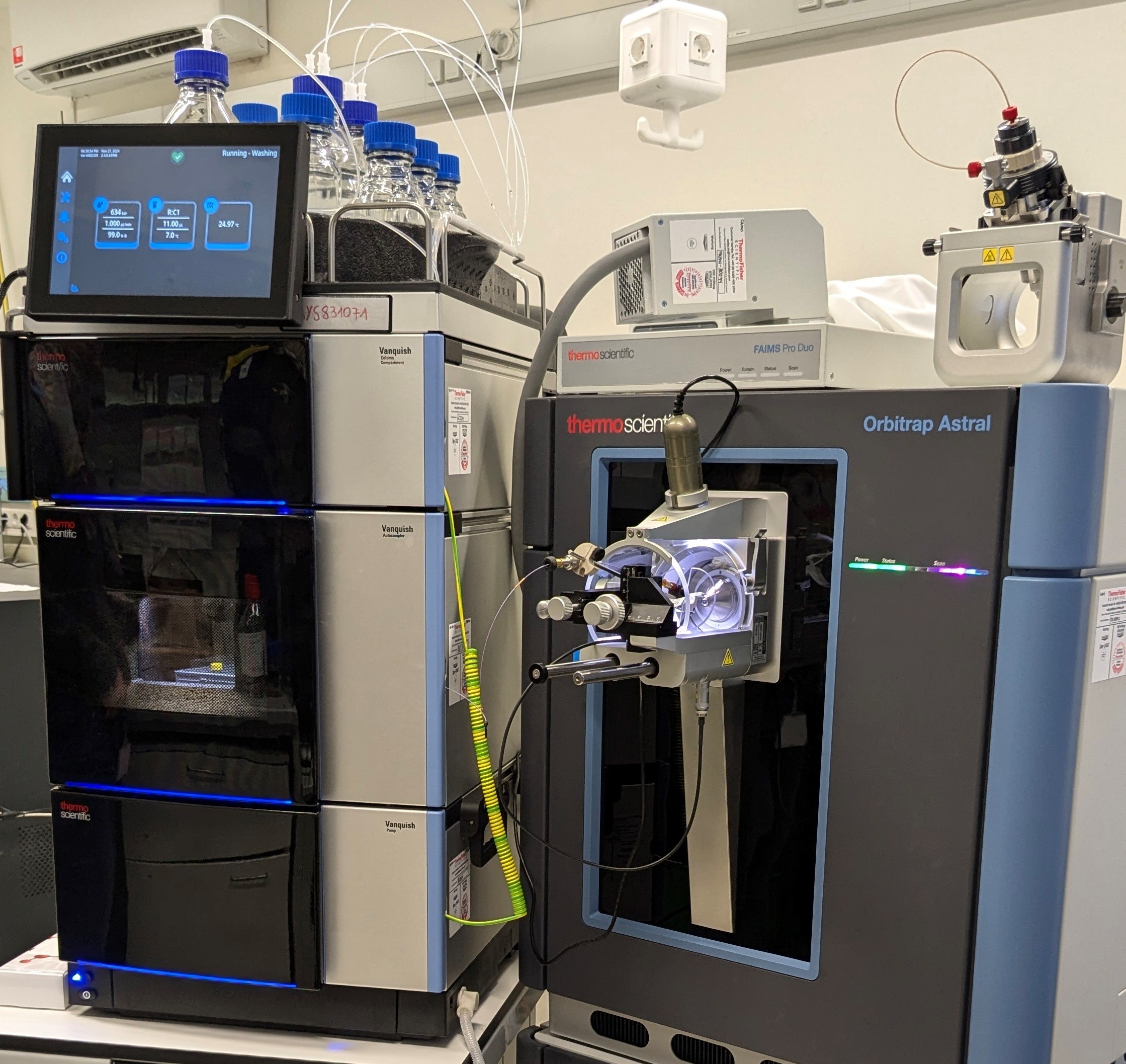
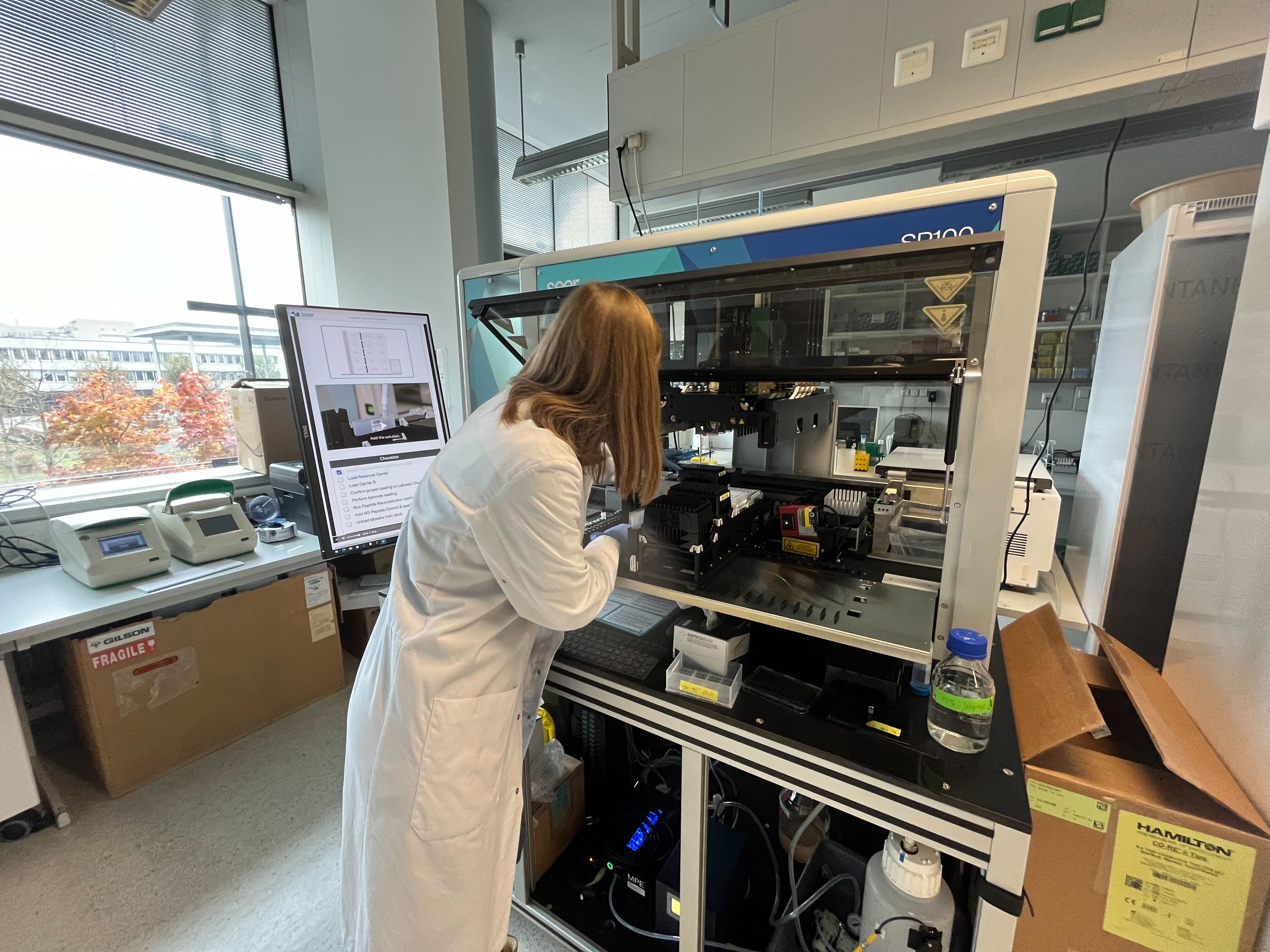
Currently, our platform is running one Orbitrap Astral Zoom and two Orbitrap Astral mass spectrometers, each coupled to a Vanquish Neo UHPLC system and featuring a FAIMS interface (all Thermo Fisher Scientific). Furthermore, the lab is fully equipped with state-of-the-art instrumentation for sample preparation (e.g. Diagenode Bioruptor sonicator, Agilent Bravo and Seer Proteograph SP100/200 liquid handlers, Dionex Ultimate 3000 Offline-HPLC) and a powerful IT infrastructure.
The available workflows for MS-based proteomics include global protein expression profiling of model systems and clinical samples, the analysis of post-translational modifications like phosphorylation, ubiquitination or acetylation, as well as protein interaction studies. Typically, for relative protein quantitation we combine these with label-free approaches (LFQ) using data-independent acquisition (DIA) or isotopic labeling techniques (SILAC, TMT).
Moreover, our platform is open for the implementation of dedicated strategies required to promote specific projects of collaboration partners from the cancer research community. Thereby, interested DKTK/FCI researchers have full access to the platform services and receive our project-specific advice.
The proteomics platform engages in the mechanistic elucidation of oncogenic processes, especially in the context of lymphoma and leukemia, but also colorectal cancer, glioma, breast cancer and lung cancer. Furthermore, our activities strongly focus on the systematic characterization of well-defined patient cohorts of these cancer entities, including trial cohorts and analyzing tissue as well as blood samples and other body fluids.
Taken together, the achievements of our platform i) facilitate to identify proteomic disease features and subtypes with prognostic and predictive relevance in highly-collaborative multi-omics projects and ii) enable the allocation of proteomic workflows to DKTK/FCI investigators for their translational cancer research.


Protein Interactome Profiling
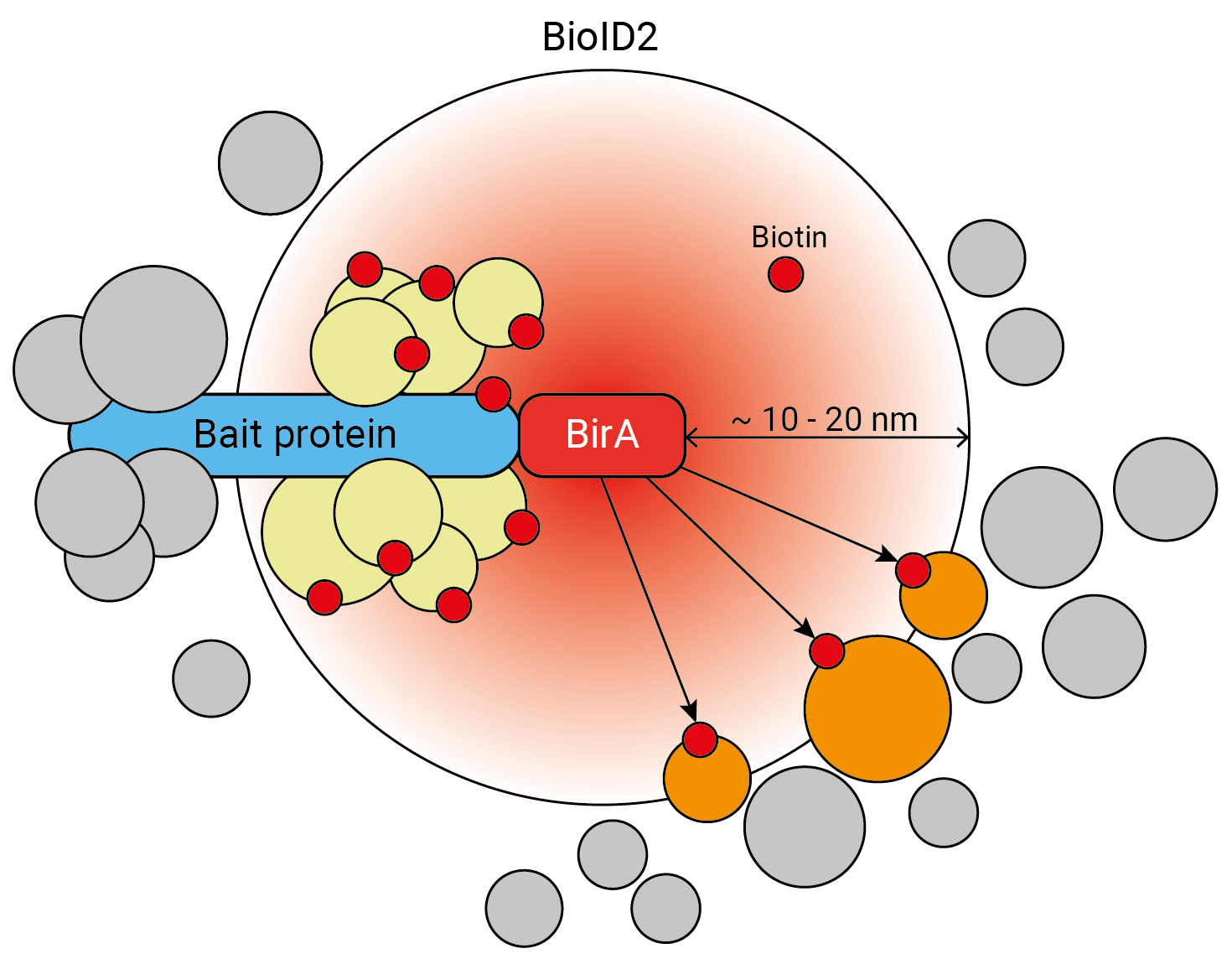
We have established a broad range of quantitative MS assays for the unbiased analysis of protein-protein interactions and their temporal dynamics. Our BioID/ Turbo-ID assays rely on the fusion of a protein of interest (bait) with a promiscuous biotin ligase enzyme, known as BirA*. Upon expression in living cells, this fusion protein biotinylates proximal proteins within a radius of 10-20 nanometers, covalently attaching biotin molecules to lysine residues. Subsequently, biotinylated proteins are isolated using streptavidin affinity purification, followed by elution and identification via mass spectrometry. By capturing proteins that come into close proximity with the bait protein, the BioID assay provides a comprehensive snapshot of the protein interactome within the cellular context.
Clinical Proteomics

A well-established portfolio of proteomic workflows allows us to isolate and purify proteins from a variety of clinical sample sources. Thus, protein samples can be obtained from freshly isolated tumor cells as well as from preserved tissues (fresh-frozen/FFPE). Furthermore, we have implemented a powerful platform for proteomics of blood samples (plasma/serum) and other body fluids like CSF and urine, that is based on a fully automated pipeline for nanoparticle-mediated protein enrichment using Seer’s Proteograph technology. For example, in the context of blood proteomics this enables us to capture proteins across the entire dynamic range of the plasma or serum proteome, eventually providing unbiased and deep sampling of these clinically highly relevant and accessible matrices.